Colors in Interior Design – How They Affect Our Mood
Colors have a huge impact on our emotions and the way we perceive a space. In interior design, a carefully chosen color palette can boost your mood, increase energy, or create a sense of calm. Understanding the basics of color psychology helps you consciously shape a space where you feel your best.
Warm Colors – Energy and Coziness
Shades of red, orange, and yellow add warmth and life to interiors. They bring energy and stimulate activity, making them perfect for kitchens or living rooms, where families often spend time together.
Cool Colors – Calm and Relaxation
Blues, greens, and purples are associated with harmony and tranquility. They are ideal for bedrooms or bathrooms, where we want to rest and recharge.
Neutral Colors – Base and Balance
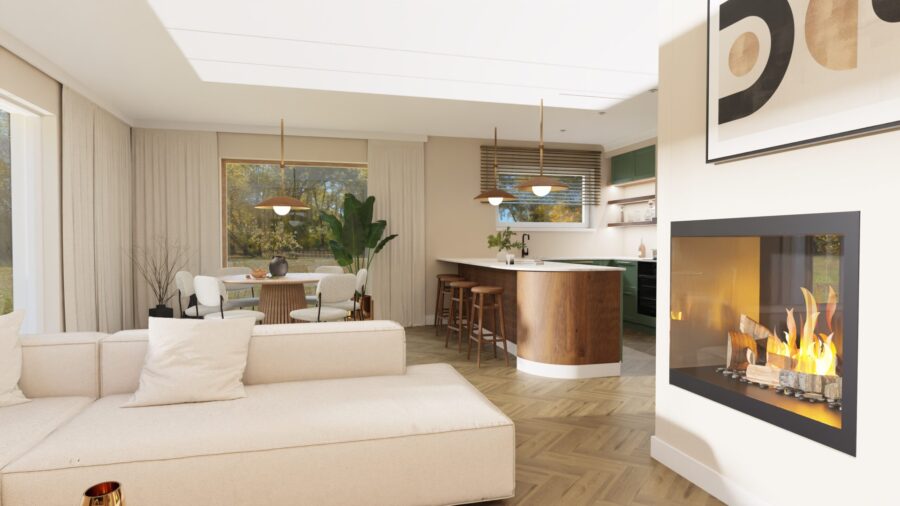
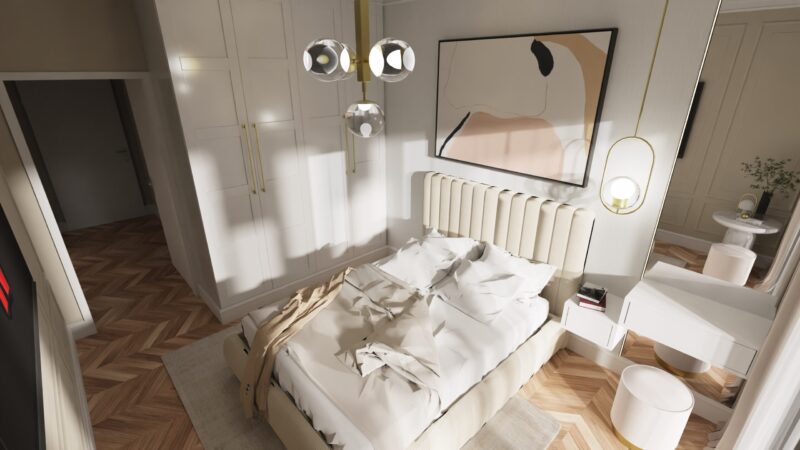
Beiges, grays, and whites create a versatile backdrop that is easy to combine with other colors. Neutral tones help maintain balance and give interiors elegance and lightness.
Intense Accents – Character and Dynamism
Adding bold colors through accessories or a single accent wall can energize a room. Accents in vibrant shades stimulate creativity and add personality to the space.
Colors and Light
Remember that colors look different under natural versus artificial light. Before painting or choosing wallpaper, observe how shades appear at different times of the day.
Summary
Colors are a powerful tool in interior design that can influence our mood and daily functioning.
Consciously selecting colors allows you to create a space tailored to your needs—full of energy, calm, or harmony.
Keep in mind that every color has its own story and meaning, which you can use to make your home a true sanctuary.